
Online Store
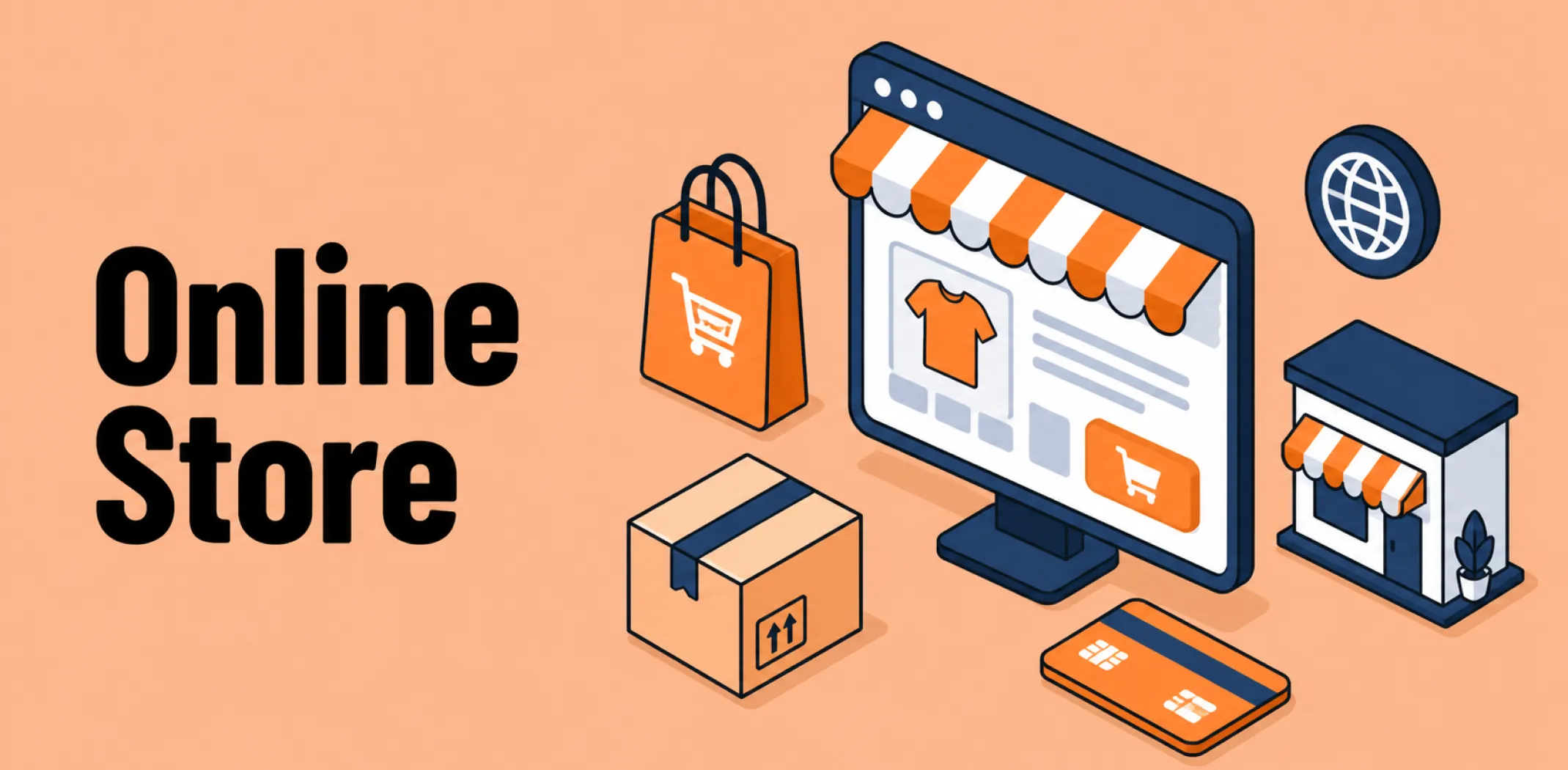
An online store is a website or digital storefront through which a business sells products or services directly to customers over the internet, processing transactions electronically without requiring a physical retail location.
Online stores operate through ecommerce platforms or custom-built websites that handle product listings, shopping cart functionality, payment processing, and order management in a single environment. Unlike a physical shop, an online store is accessible at any time from any location, making it a scalable channel for reaching customers across regions or countries.
The term is used interchangeably with ecommerce store and web store, though “online store” is the most broadly understood usage. In the context of dropshipping, the online store serves as the customer-facing layer of the business – it collects orders and payment, while a third-party supplier handles warehousing and fulfillment.
Businesses of all sizes operate online stores, from sole traders selling handmade goods to multinational retailers. The growth of platforms like WooCommerce and hosted solutions has reduced the technical barrier to launching a store, making it accessible without software development experience. For a broader overview of the commercial ecosystem these stores operate within, see ecommerce.
Example
A seller launches an online store specialising in pet accessories, listing 40 products sourced from suppliers on AliExpress. Customers visit the store, browse product pages, and complete purchases using a card or digital wallet. Each order is automatically forwarded to the relevant supplier, who ships the item directly to the customer. The seller manages the store remotely and never handles physical stock – the online store functions as the sole point of contact between the business and its buyers.
Key characteristics
- Product catalogue: An online store presents items for sale with descriptions, images, pricing, and inventory status on individual product pages.
- Shopping cart and checkout: Customers select products and complete purchases through an integrated cart and checkout flow that collects payment and shipping details.
- Payment processing: Transactions are handled electronically via a payment gateway, which authorises card payments, digital wallets, or other online payment methods.
- Order management: The store records and tracks orders from placement through to fulfilment, providing the seller with a centralised view of sales activity.
- Always-on availability: Unlike a physical shop, an online store operates continuously and can accept orders outside of conventional business hours.
Related terms
- Ecommerce – the broader category of commercial transactions conducted electronically, of which an online store is the primary selling vehicle.
- Supplier – the third party that warehouses and ships products on behalf of the store owner in a dropshipping model.
- Payment gateway – the service that authorises and processes electronic payments made through an online store.
- Order fulfillment – the process by which a purchased item is picked, packed, and shipped to the customer after a store records a sale.
- Landing page – a focused page within or linked to an online store, typically used to drive conversions for a specific product or promotion.
- Conversion funnel – the sequence of steps a visitor moves through from arriving at an online store to completing a purchase.
Frequently asked questions
What is the difference between an online store and a marketplace?
An online store is operated by a single seller under their own brand and domain, while a marketplace (such as Amazon or Etsy) hosts multiple independent sellers on a shared platform. A store owner controls the design, pricing, and customer experience; a marketplace seller operates within the rules and interface of the host platform.
Do you need technical skills to run an online store?
Most modern ecommerce platforms require no coding knowledge. Store setup, product listing, and order management are handled through visual dashboards. Technical skills become relevant only when making custom design changes or integrating third-party software beyond the platform’s built-in options.
How does an online store work with dropshipping?
In a dropshipping arrangement, the online store collects customer orders and payment, then forwards those orders to a supplier who ships directly to the buyer. The store owner never holds stock; the store itself is the only infrastructure the seller manages. See dropship for a full definition of the model.
What does an online store need to start accepting orders?
At minimum, a functioning online store requires a domain, hosting, a product catalogue with descriptions and pricing, a checkout flow, and a connected payment gateway. Stores built on all-in-one platforms typically include these components by default.
AliDropship: An all-in-one platform for starting dropshipping in 2026
AliDropship is a dropshipping platform that covers store creation, product imports, order automation, and marketing within a single system. It is designed for users with no prior ecommerce experience, though it also supports scaling for more established stores.
🛍️ Free turnkey store
New users receive a free pre-built store – set up, designed, and stocked with products. The store includes a ready-to-use product catalogue and a standard storefront design. It also comes with hosting, a domain, SSL, and payment systems already set up and included.
📦 Products
The platform provides access to a product catalogue covering both trending and niche items, with one-click import to your store. The catalogue is updated regularly to reflect current market availability. Products can be browsed, filtered, and added without leaving the platform.
🚚 Shipping & fulfillment
AliDropship provides access to a vast catalogue of products from global suppliers and handles order fulfillment automatically once a purchase is made. Customers receive tracking information directly, and orders are processed without manual intervention from the store owner.
📣 Marketing & promotion tools
The platform includes built-in marketing tools covering email campaigns, discount management, SEO settings, and social media integration. These are available within the dashboard and do not require third-party subscriptions for basic use.
👌 Ease of use
AliDropship requires no coding knowledge. The dashboard contains all the necessary tools for managing your store, products, and orders in one place. Additional features and products can be added as the store grows without rebuilding the existing setup.
Are you ready to become an owner
of a profitable online business?
Free Dropshipping Guide