
Storefront
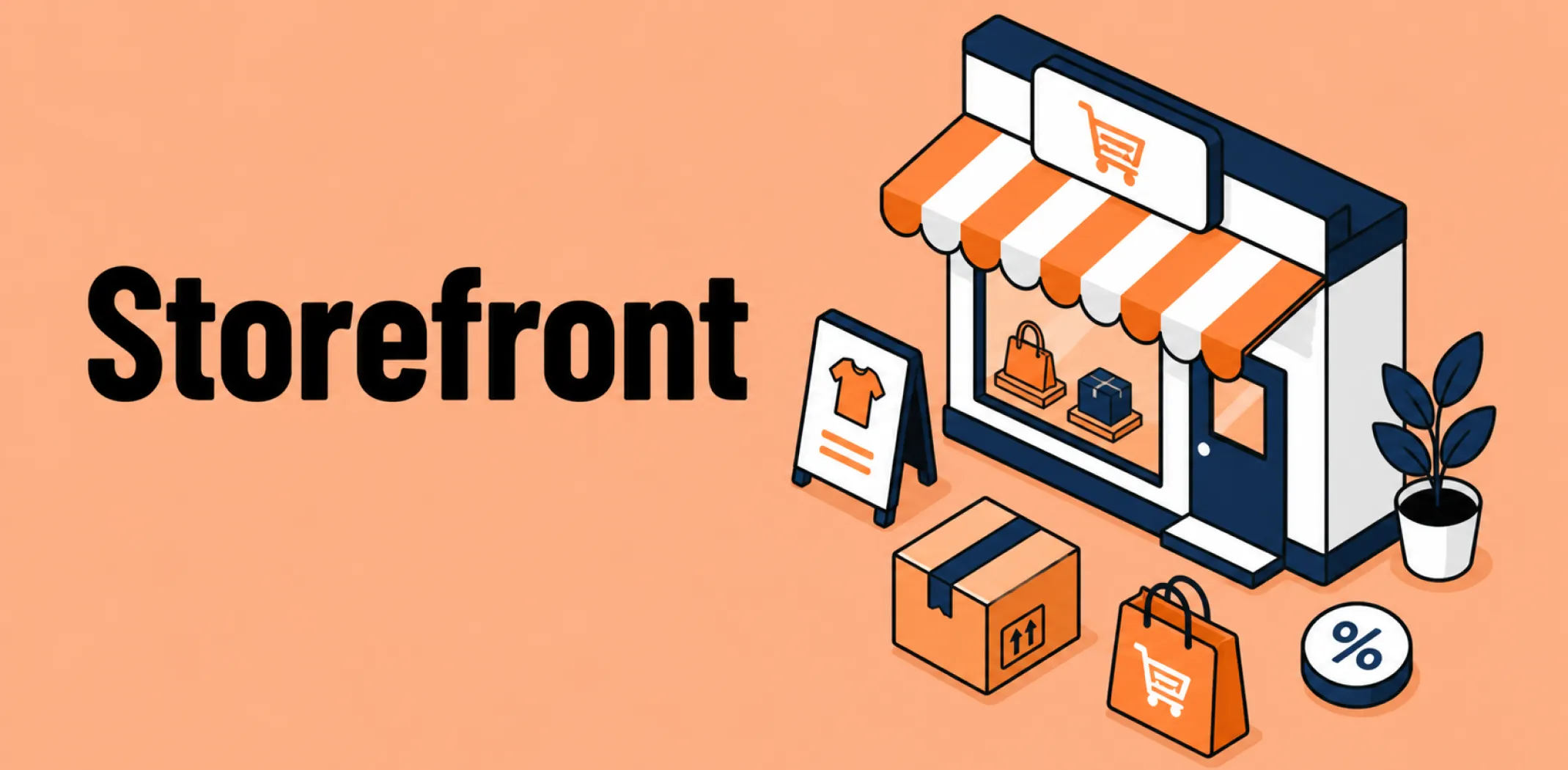
A storefront is the customer-facing interface of an online store, encompassing the visual design, navigation structure, product pages, and checkout flow that a buyer interacts with when browsing and purchasing.
In ecommerce, the storefront is the digital equivalent of a physical shop floor – it is what visitors see and navigate before and during a purchase. It is distinct from the backend systems that manage inventory, orders, and fulfillment; those are operational tools invisible to the customer.
The storefront is defined entirely by the buyer’s experience: the layout of the homepage, how product pages are structured, how clearly pricing and shipping information is presented, and how smoothly the checkout process runs.
In a dropshipping context, the storefront carries additional weight because the store owner never handles the physical product. The storefront is where the store’s entire brand identity exists – through design choices, copy, and the overall shopping experience offered to the customer.
Example
A seller building a home décor dropshipping store creates a storefront with a neutral colour palette, editorial-style product photography, and a homepage that organises items by room type. The product pages include detailed descriptions, size guides, and estimated delivery windows. A customer visiting the store has no visibility into the supplier relationship or fulfilment process – their entire perception of the business is shaped by the storefront. A competing store selling identical products from the same supplier but with inconsistent design and sparse product descriptions will typically convert at a lower rate, illustrating how the storefront functions as the store’s primary commercial asset.
Key characteristics
- Visual identity layer: The storefront communicates brand personality through typography, colour scheme, imagery, and layout before a customer reads a single word of copy.
- Product presentation: How products are categorised, displayed, and described on the storefront directly influences whether a visitor proceeds to checkout.
- Conversion dependency: Traffic directed to a store – whether from ads, search, or social media – only generates revenue if the storefront persuades visitors to complete a purchase.
- Platform independence: A storefront can be built on a dedicated ecommerce platform, a WordPress-based system, or a hosted builder; the underlying technology does not define what constitutes a storefront.
- Separation from operations: The storefront is the customer-visible surface of the store; inventory management, supplier communications, and order routing occur in backend systems the customer never sees.
Related terms
- Ecommerce store – the complete online retail business, of which the storefront is the customer-facing component.
- Product page – the individual storefront page where a specific item’s details, images, and purchase option are presented to the buyer.
- Conversion rate – the percentage of storefront visitors who complete a purchase, used as a primary measure of storefront effectiveness.
- Branding – the visual and tonal identity expressed through a storefront’s design, copy, and overall presentation.
- User experience – the overall ease and quality of navigation a visitor encounters when moving through a storefront.
Frequently asked questions
What is the difference between a storefront and an ecommerce website?
An ecommerce website includes both the customer-facing storefront and the backend systems used to manage products, orders, and operations. The storefront refers specifically to what customers see and interact with – the pages, design, and checkout flow – rather than the administrative side of the business.
Does a dropshipping store need a custom storefront?
A dropshipping store does not require a fully custom-built storefront, but the design and structure of the storefront still affect how buyers perceive the store and whether they convert. Pre-built templates and platforms can be used as a starting point, with customisation applied to reflect a consistent brand identity.
What elements of a storefront most affect sales performance?
Product page quality, site navigation clarity, page load speed, and checkout simplicity are consistently cited as the storefront elements with the greatest impact on conversion rate. Trust signals – such as clear return policies, customer reviews, and secure payment indicators – also play a significant role in purchase decisions.
Is a storefront the same as a landing page?
A landing page is a single-purpose page designed to convert visitors arriving from a specific ad or campaign, whereas a storefront is the full browsable interface of an online store. A storefront may include landing pages as part of its structure, but the two terms are not interchangeable.
AliDropship: An all-in-one platform for starting dropshipping in 2026
AliDropship is a dropshipping platform that covers store creation, product imports, order automation, and marketing within a single system. It is designed for users with no prior ecommerce experience, though it also supports scaling for more established stores.
🛍️ Free turnkey store
New users receive a free pre-built store – set up, designed, and stocked with products. The store includes a ready-to-use product catalogue and a standard storefront design. It also comes with hosting, a domain, SSL, and payment systems already set up and included.
📦 Products
The platform provides access to a product catalogue covering both trending and niche items, with one-click import to your store. The catalogue is updated regularly to reflect current market availability. Products can be browsed, filtered, and added without leaving the platform.
🚚 Shipping & fulfillment
AliDropship provides access to a vast catalogue of products from global suppliers and handles order fulfillment automatically once a purchase is made. Customers receive tracking information directly, and orders are processed without manual intervention from the store owner.
📣 Marketing & promotion tools
The platform includes built-in marketing tools covering email campaigns, discount management, SEO settings, and social media integration. These are available within the dashboard and do not require third-party subscriptions for basic use.
👌 Ease of use
AliDropship requires no coding knowledge. The dashboard contains all the necessary tools for managing your store, products, and orders in one place. Additional features and products can be added as the store grows without rebuilding the existing setup.
Are you ready to become an owner
of a profitable online business?
Free Dropshipping Guide